Coin base Is a company profile and public policy overview
Coin base Is a commonly searched way to refer to Coinbase, a major cryptocurrency platform where people can buy, sell, store, transfer, and learn about digital assets. This guide explains what the company does, how its services usually work, why its public policy role matters, and what practical risks users should review before opening an account or making any transaction.
Coin base is best understood as both a consumer crypto exchange and a broader digital asset company. People often arrive at this topic because they want to know whether Coin base is an app, a wallet, a broker, a regulated financial service, or a political player in the debate over cryptocurrency rules. The answer is that it can touch several of those categories at once, depending on which product, jurisdiction, and user activity is being discussed.
Coin base is not a substitute for a bank account, an investment plan, or legal advice. It is a platform tied to a volatile asset class, and the details that matter most can change with market conditions, product updates, tax rules, fees, and regulation. Readers should verify account terms, supported assets, pricing, risk disclosures, and security settings through official sources before relying on any general explanation.
What is Coin base and why do people search for it?
Coin base usually points to Coinbase, one of the most recognized names in the cryptocurrency industry. The company is associated with retail crypto trading, institutional services, custody, wallets, stablecoin access, blockchain infrastructure, and education around digital assets. A new user may think of Coin base as a simple mobile app, while a policy researcher may see Coinbase as a large organization involved in financial technology regulation.
Coin base matters because it sits between traditional finance and open blockchain networks. On one side are bank transfers, debit cards, identity checks, tax reporting concerns, and compliance expectations. On the other side are Bitcoin, Ethereum, stablecoins, decentralized applications, public addresses, private keys, transaction fees, and irreversible transfers. That middle position makes Coin base useful for many beginners, but it also creates responsibilities and tradeoffs.
Coin base also receives attention because cryptocurrency is no longer a niche experiment. Digital assets are discussed by investors, software developers, payment companies, lawmakers, consumer advocates, and regulators. When people search for Coin base, they may be looking for a login page, a company summary, an explanation of fees, safety concerns, or context about how crypto businesses influence public policy.
How does Coin base work for everyday crypto users?
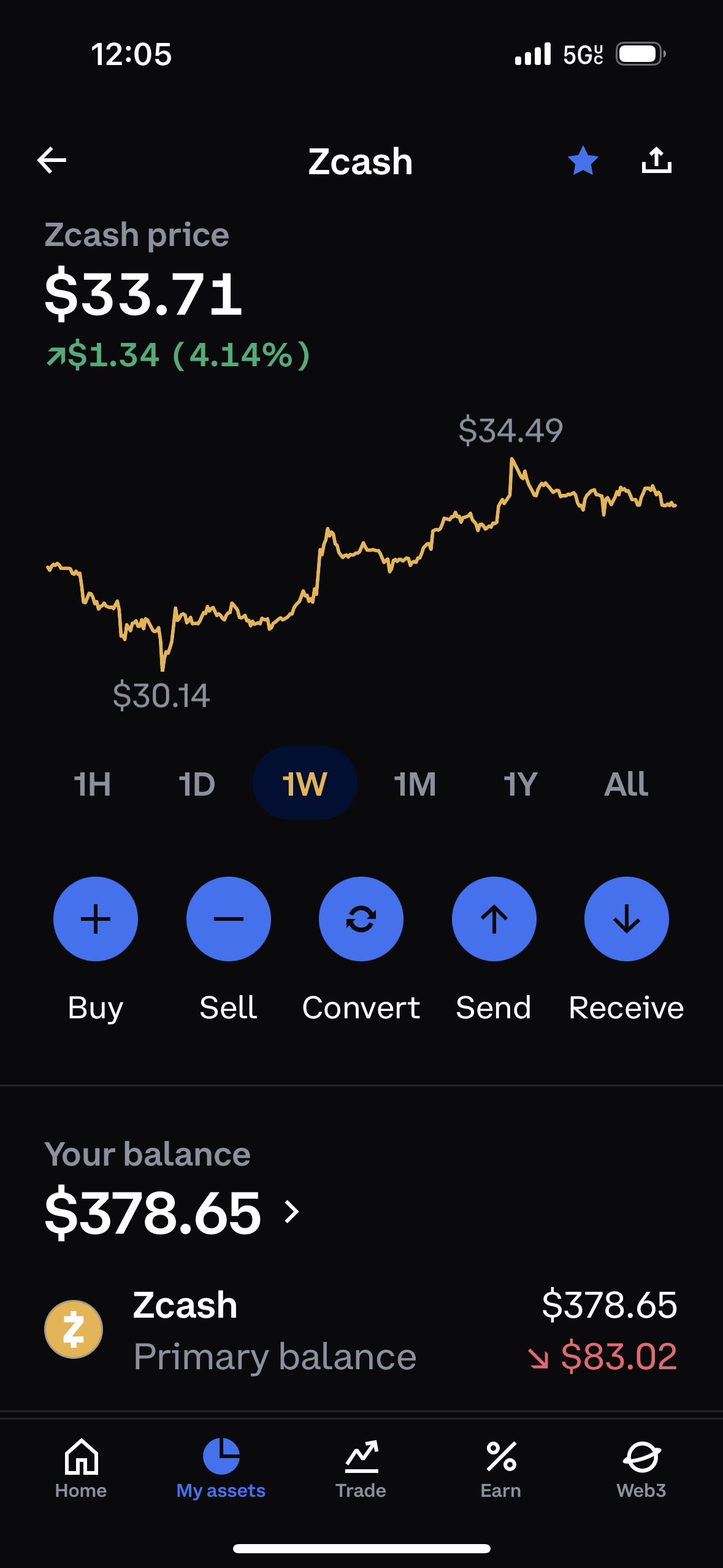
Coin base typically works by giving a user an account interface connected to supported crypto markets and, in some cases, a hosted wallet. A person creates an account, verifies identity where required, adds a payment method, reviews available assets, and places a buy, sell, convert, send, or receive order. The platform then presents transaction details such as price, spread, network fee, platform fee, and settlement timing.
Coin base can feel simple because much of the technical complexity is hidden from the user. Instead of manually operating a blockchain node or managing every private key directly, a customer can use an account dashboard. That convenience is one reason Coin base attracts beginners. The tradeoff is that hosted services require trust in the platform, its controls, its account recovery process, and its compliance rules.
Coin base activity may involve different layers of cost. A user might see trading fees, conversion spreads, network fees for blockchain transfers, and possible payment method charges. These costs can vary by product, region, asset, order size, and network congestion. Before using Coin base, it is sensible to preview the final transaction screen and compare the total amount received, not just the headline price.
Coin base also connects to the wider crypto ecosystem. A user may buy Ether and later send it to a self-custody wallet, use a stablecoin for transfers, or interact with a decentralized application outside the exchange. Once assets leave a hosted platform, recovery options may be limited. Coin base can provide access, but blockchain transactions still require careful address checking and risk awareness.
What can you use Coin base for?
Coin base use cases range from basic education to active trading. Some people use Coin base only to make a small first crypto purchase and learn how blockchain transfers appear. Others use it as a regular exchange account, a place to hold supported digital assets, or a bridge between cash and crypto. Businesses and institutions may care about custody, compliance, reporting, and liquidity rather than the beginner app experience.
Coin base can also be relevant for users who want to understand the difference between holding crypto on an exchange and holding crypto in a self-custody wallet. With an exchange account, access depends on account credentials, platform policies, and identity verification. With self-custody, access depends on protecting seed phrases and private keys. Neither approach removes risk; they simply move risk to different places.
Coin base may be used for several practical workflows:
- Buying or selling supported cryptocurrencies through a consumer account.
- Receiving crypto from another wallet or sending assets to an external address.
- Tracking portfolio balances and transaction history for personal records.
- Learning about digital assets, stablecoins, blockchain networks, and market basics.
- Comparing exchange custody with self-custody before choosing a wallet setup.
Coin base is also part of a larger conversation about payments, tokenized assets, decentralized finance, and the future of financial infrastructure. That does not mean every user needs advanced tools. For a cautious beginner, the most useful first step is often understanding how orders, custody, fees, taxes, and security controls work before moving meaningful funds.
How do you get started with Coin base carefully?
Coin base onboarding usually begins with account creation and identity verification. A careful user should start by confirming they are using the legitimate service, reviewing account requirements, and choosing a strong password. Multi-factor authentication is important because crypto accounts are frequent targets for phishing, SIM-swap attacks, malicious browser extensions, and fake support messages.
Coin base setup should also include a review of payment methods. Bank transfers, cards, and other options may differ in cost, speed, availability, and reversal rules. A low-fee method may settle more slowly, while a faster method may cost more. The best choice depends on the user’s location and purpose, so it is worth checking the transaction preview before approving anything.
Coin base users should consider starting with small amounts while learning. A small test purchase can teach how pricing works. A small test withdrawal can show how address copying, network selection, confirmations, and fees work. When a user sends crypto, choosing the wrong network or address can lead to permanent loss, so Coin base transaction screens should be read carefully rather than clicked through quickly.
Coin base recordkeeping matters as well. Crypto sales, conversions, rewards, and transfers may have tax implications. Rules vary by jurisdiction, and individual facts matter. This page does not provide tax or legal advice, but it is prudent to keep transaction history, export records when needed, and consult a qualified professional for questions about reporting obligations.
Is Coin base safe, and what risks should users understand?
Coin base safety depends on more than one thing. There is platform security, account security, asset risk, regulatory risk, liquidity risk, and user behavior. A well-known exchange can still be affected by market stress, service outages, account restrictions, fraud attempts, or policy changes. A user can also lose money through price volatility even when the platform performs as designed.
Coin base users should treat cryptocurrency as high risk. Prices can move sharply, and some assets have limited histories, thin markets, technical vulnerabilities, or uncertain regulatory treatment. Stablecoins may reduce price movement against a reference currency, but they have their own reserve, issuer, redemption, and legal risks. No crypto platform can guarantee profits or prevent market losses.
Coin base account safety starts with basic controls: unique passwords, authenticator-based two-factor authentication, device security, withdrawal address caution, and skepticism toward unsolicited messages. Fake customer support accounts, spoofed emails, search ads, and social media scams are common across crypto. Coin base will not make a user immune to those attacks, so personal security habits remain essential.
Coin base custody should also be evaluated honestly. Leaving assets on an exchange may be convenient for trading and account recovery, but it means the user depends on the platform’s custody systems and policies. Moving assets to self-custody gives more direct control, but losing a seed phrase or signing a malicious transaction can be catastrophic. Coin base can be one part of a crypto setup, not the whole safety plan.
How does Coin base fit into crypto regulation and public policy?
Coin base has become visible in public policy because cryptocurrency regulation is contested and still developing. Lawmakers and regulators debate how digital assets should be classified, how exchanges should register, what disclosures customers should receive, how stablecoins should be supervised, and how anti-money-laundering controls should apply. Coin base is frequently discussed because its business depends on the answers to those questions.
Coin base public policy activity can include lobbying, public statements, industry coalitions, legal advocacy, campaign-related spending through permitted structures, and efforts to shape digital asset legislation. The specific figures and recipients can change by election cycle and filing date. Readers comparing public policy activity should rely on current official filings and reputable nonpartisan databases rather than assuming a single snapshot tells the whole story.
Coin base is not unique in this respect. Banks, payment companies, brokerages, fintech firms, consumer groups, and technology companies also engage with policymakers. What makes Coin base notable is the size and visibility of the crypto policy debate. Decisions about market structure, custody, disclosures, and token classification can affect how platforms operate and what products users can access.
Coin base policy activity should be interpreted with care. Corporate advocacy does not automatically mean a policy is good or bad for consumers. A useful reader asks what rule is being proposed, who benefits, what risks are addressed, how enforcement would work, and whether users receive clearer protections. Coin base can be a useful case study in how emerging financial technology companies interact with regulation.
How does Coin base compare with other ways to access crypto?
Coin base is one route into crypto, but it is not the only route. Users may compare it with other centralized exchanges, broker apps, payment apps, decentralized exchanges, hardware wallets, software wallets, and institutional custodians. The right comparison depends on what the user is trying to do: buy a small amount, trade frequently, hold long term, use decentralized finance, accept payments, or manage assets for an organization.
Coin base often appeals to people who value a familiar interface, account recovery, fiat payment rails, and a broad educational experience. A decentralized exchange may appeal to users who want on-chain trading without a traditional exchange account, but it usually requires more technical knowledge and careful wallet management. A hardware wallet may improve self-custody control, but it introduces seed phrase responsibility and operational complexity.
Coin base comparisons should focus on total cost, asset support, jurisdiction, security features, withdrawal controls, customer support, tax records, custody model, and regulatory posture. A platform with low visible fees may have wider spreads. A platform with many tokens may expose users to weaker assets. A platform with self-custody may give control while removing practical recovery options.
| Access method | Typical strength | Important caution |
|---|---|---|
| Coin base or another centralized exchange | Fiat on-ramps, account tools, and familiar trading screens | Platform custody, fees, outages, and account restrictions |
| Self-custody wallet | Direct control over private keys and on-chain activity | Lost keys and mistaken transactions may be unrecoverable |
| Decentralized exchange | On-chain swaps and access to DeFi markets | Smart contract, liquidity, slippage, and scam-token risks |
Coin base may be easiest for a first purchase, while a self-custody wallet may be more appropriate for users who understand private key management. In practice, some people use both. They may buy through Coin base, withdraw a portion to a wallet, and keep only trading funds on the platform. That approach still requires discipline and verification at every step.
What should readers check before relying on Coin base information?
Coin base information can become outdated quickly. Fees, supported coins, staking availability, regional access, tax forms, risk disclosures, and regulatory status can change. A general article can explain concepts, but it cannot replace the current account agreement, official fee preview, product documentation, or applicable law. This is especially important for users outside the United States or users with business accounts.
Coin base users should verify the asset they intend to buy, the network they intend to use, and the total transaction cost. Token names can be confusing, and some assets exist on multiple networks. A transfer that uses the wrong chain may not arrive where expected. Before sending meaningful value, a small test transaction can reduce operational risk.
Coin base readers should also separate company profile research from personal finance decisions. Learning that Coinbase is active in policy debates, serves many types of customers, or supports a range of digital assets does not mean any asset is suitable for a particular person. Risk tolerance, liquidity needs, debt, emergency savings, tax position, and investment horizon all matter.
Coin base research is most useful when it leads to better questions. What exactly am I buying? Who controls the keys? What happens if I lose access? How much am I paying in spread and fees? What records will I need later? What public rules apply where I live? A careful approach will not remove crypto risk, but it can reduce avoidable mistakes.
Why Coin base remains important to watch
Coin base remains important because it is a visible bridge between mainstream users and blockchain markets. Its product choices influence how many people first experience crypto. Its public company status, compliance posture, and policy advocacy also make it part of the broader debate over how digital asset markets should be supervised.
Coin base is not just a brand name that appears in search results. It represents a set of questions about custody, transparency, consumer protection, innovation, financial access, and political influence. Those questions matter whether a reader plans to open an account, compare exchanges, study crypto regulation, or simply understand why Coinbase appears so often in public discussions about digital assets.
Coin base should be approached with curiosity and caution. The platform can make cryptocurrency easier to access, but easy access does not make crypto simple or low risk. Verify details with official sources, review every transaction before approving it, use strong account security, and treat public policy claims as starting points for research rather than final answers.
Questions and Answers
What is Coin base in simple terms?
Coin base is a common spaced search for Coinbase, a cryptocurrency platform used to buy, sell, store, send, and receive supported digital assets. It can function as an exchange account, a hosted wallet experience, and a bridge between traditional payment methods and blockchain networks. Users should still verify current fees, supported assets, and regional availability with official information.
Is Coin base the same as Coinbase?
In most search contexts, Coin base refers to Coinbase, the well-known crypto company and exchange platform. The spaced wording is usually a keyword variation rather than a separate service. Because crypto scams often imitate familiar names, users should be careful with search results, app downloads, emails, and support messages before entering credentials or sending funds.
How does Coin base make it easier to use cryptocurrency?
Coin base simplifies parts of the crypto process by providing an account dashboard, payment method connections, market screens, transaction previews, and hosted custody options. This can be easier than manually managing every blockchain interaction. The convenience has tradeoffs, including platform fees, account rules, custody dependence, and the need to understand irreversible blockchain transfers.
What are the main risks of using Coin base?
The main risks include crypto price volatility, transaction fees, account compromise, phishing, platform outages, regulatory changes, and mistakes when sending assets to external wallets. Hosted custody may be convenient, but users depend on the platform’s systems and policies. Self-custody can offer more control, yet lost keys or wrong addresses can cause permanent loss.
Does Coin base have a role in public policy?
Coin base is active in public policy because cryptocurrency rules affect how exchanges, wallets, stablecoins, custody products, and digital asset markets operate. Its activity may include lobbying, public advocacy, legal arguments, and participation in industry debates. Readers should check current filings and reputable public records because figures and policy positions can change over time.
How should a beginner start with Coin base safely?
A beginner should confirm they are using the legitimate platform, enable strong two-factor authentication, review payment method costs, and begin with small transactions. It is wise to read the preview screen before buying, selling, or sending crypto. For external transfers, checking the address and network carefully is essential because blockchain transactions are often irreversible.
Is Coin base a good place to keep crypto long term?
Coin base may be convenient for some users, but long-term storage depends on the user’s needs and risk tolerance. Exchange custody offers account tools and potential recovery options, while self-custody gives more direct control over private keys. Neither is risk free. Users should compare security, access, fees, recovery, and personal responsibility before deciding.